Our Histopathology Department is NABL accredited, ensuring the highest standards of quality and precision in diagnostic services.
The Histopathology Department is the definitive diagnostic core of our cancer centre, responsible for the microscopic examination of tissue to accurately classify all tumours. As specialized oncopathologists, we provide the most fundamental information for your care, utilizing our experience and rigorous techniques to confirm the presence of malignancy, the specific histotype, determination of grade, and assessment of subtypes. This precise tissue-based diagnosis is the first and most critical step in establishing any effective cancer treatment plan.
Histopathology, also called Surgical/Anatomic Pathology, is the study of tissue changes at a microscopic level, specifically in the context of disease. Pathologists are trained doctors who interpret these complex patterns of cell injury and alterations in tissue architecture to provide a conclusive medical diagnosis.
We examine biopsies and surgical specimens to determine whether a tumor is benign or malignant, identify the specific type of cancer, and assess its histological grade (aggressiveness).
Diagnosis and cancer confirmation is also made on Cytology specimens, including cell-blocks.
We provide rapid analysis during operations via Frozen Section Analysis, giving the surgical team critical, time-sensitive information needed to determine the best next steps, such as confirming clear surgical margins.
We provide information (gathered from detailed examination of the surgical specimen to provide a pathological stage) to the treating physician that gives a clue as to the behaviour of a particular cancer which plays a role in subsequent treatment decisions.
Using special studies, we give information that decides whether a particular targeted therapy or immunotherapy will work in a particular patient.
Before any microscopic diagnosis, the excised fresh tissue must undergo complex preparation: fixation (to preserve the structure, typically using formalin), dehydration, embedding (in paraffin wax), and sectioning (into very thin slices, typically 2–7 µm) using a microtome followed by Haematoxylin & Eosin staining.
Our department integrates foundational techniques for routine examination with advanced immunohistochemistry/allied methods such as in-situ hybridisation that are essential for precision oncology.
The routine staining method that uses two dyes: Hematoxylin (stains cell nuclei blue/purple, highlighting DNA) and Eosin (stains cytoplasm and extracellular matrix pink/red). This provides a comprehensive view of tissue architecture and cellular organization.
The Routine Photo: This is the standard stain used on every tissue sample. By colouring the cell structures (nuclei blue, cytoplasm pink), it gives the pathologist a detailed view of the tissue structure and any abnormalities—the first step in every diagnosis.
Tissue is quickly frozen in a cryostat and immediately sectioned for rapid staining and microscopic examination. This allows the pathologist to communicate a preliminary diagnosis or margin status to the surgeon while the patient is still under anaesthesia.
The Quick Answer: When you are in surgery in the OT, a sample such as lump or lymph node is sent to us and we freeze, cut and stain thin sections quickly. We analyse it in minutes & communicate appropriately to the surgeon – e.g. whether all the cancer has been removed (clear margins)/negative nodes; or if they need to continue the operation. A quick preliminary diagnosis is also possible when needed.
This is upfront assessment of whether cytopathologic/biopsy material is adequate to make a diagnosis, reducing the need for repeat procedures. This helps to optimise adequacy of the specimen which helps subsequent patient management.
Specialized histochemical staining techniques (e.g. Masson's Trichrome, silver stains, PAS, Giemsa, GMS stains) are used when additional information is needed beyond H&E. These stains highlight specific features like collagen, smooth muscle, reticulin fibres, or infectious micro-organisms.
Specialized Colors: For additional information, we use other colours to highlight specific structures like muscle or connective tissue. This helps differentiate between similar-looking tissue/ tumour types or detect associated infectious micro-organisms.
A powerful technique that uses highly specific antibodies to detect and localize target proteins or antigens within the tissue section. IHC helps in precise tumour classification, identifying the origin of metastatic cancer, and assessing prognostic and predictive biomarkers.
Finding the Switches: We use special lab-made antibodies to check if the cancer cells have certain protein "switches" (like hormone receptors or HER2). This crucial information tells the oncologist whether the tumour will respond to targeted hormonal therapy or specific targeted therapy/drugs.
ISH is a sophisticated technique used to detect nucleic acid sequences in a tissue or cell. This helps in precise categorisation for therapy e.g. FISH for HER2 gene amplification in breast and other cancers when IHC is equivocal. Accurate diagnosis is also possible e.g. EBV infection in tumour tissue is associated with certain tumours only. Clonality for certain lymphomas/myeloma is also clinched by ISH.
Finding the Switches: We use special lab-made antibodies to check if the cancer cells have certain protein "switches" (like hormone receptors or HER2). This crucial information tells the oncologist whether the tumour will respond to targeted hormonal therapy or specific targeted therapy/drugs.
Our laboratory adheres to strict protocols for tissue fixation (e.g., proper formalin type and duration) and processing to ensure the structural integrity of the tissue and antigenicity of proteins. This high technical quality is essential for successful subsequent IHC, molecular and genomic testing.
Our team consists of pathologists specialized in surgical oncology, providing the highest level of diagnostic accuracy in complex and rare tumour types.
We participate regularly in EQAS programmes that cover all aspects of Histopathology (from tissue preparation to final reporting) and Cytology.
The rapid turnaround of definitive pathology reports is a key link in the patient-care chain, ensuring that oncologists and surgeons adhere to the time-sensitive treatment protocols mandated by guidelines (like the NCCN guidelines).
Apart from integrating morphology with IHC and ISH for diagnosis, we maintain specialized facilities and expertise for preparing tissues for cancer research and biomarker discovery, directly linking our diagnostic work to the possible development of future therapies.
Facilitates image archiving, reporting, education and telepathology
Our histotechnologists are expert in dealing with all aspects of tissue-handling, from receipt of biopsy to preparation of stained slides and subsequent IHC and ISH. The satisfactory performance of IHC is strictly ensured by the pathologists by the selection and use of appropriate internal controls, choosing standard antibody clones, optimising protocol steps as per guidelines and participating in external quality assurance programs.
Tissues are properly embedded in paraffin wax, which stabilizes the architecture and allows the specimens to be stored safely for long-term future analysis. The orderly labelling, filing and storage of paraffin blocks in the right environmental conditions enables the future use of stored tissues for further testing, as and when the need arises.
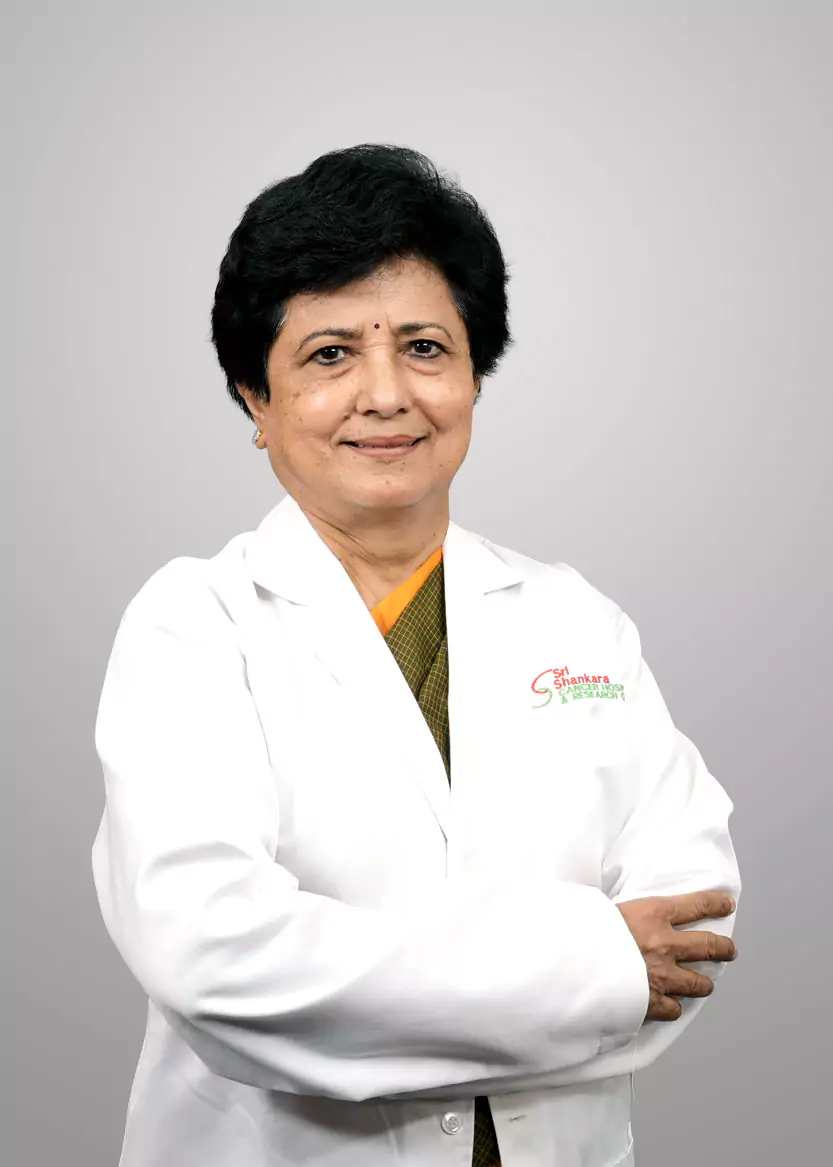
MBBS, MD Pathology (Aug 1986)
Senior Consultant & HODHistopathology
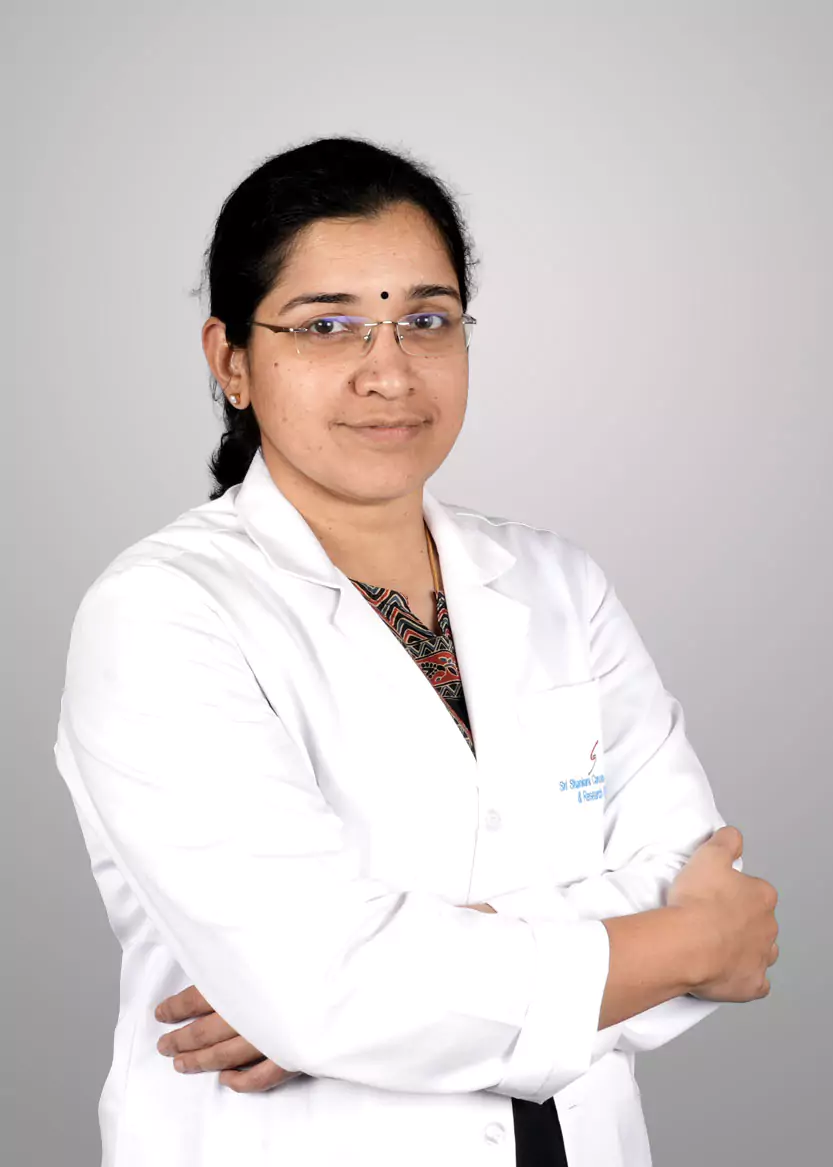
MBBS, MD-Pathology (2013), DNB - PATH (2016), PDF in Oncopathology (2016)
Senior ConsultantPathology
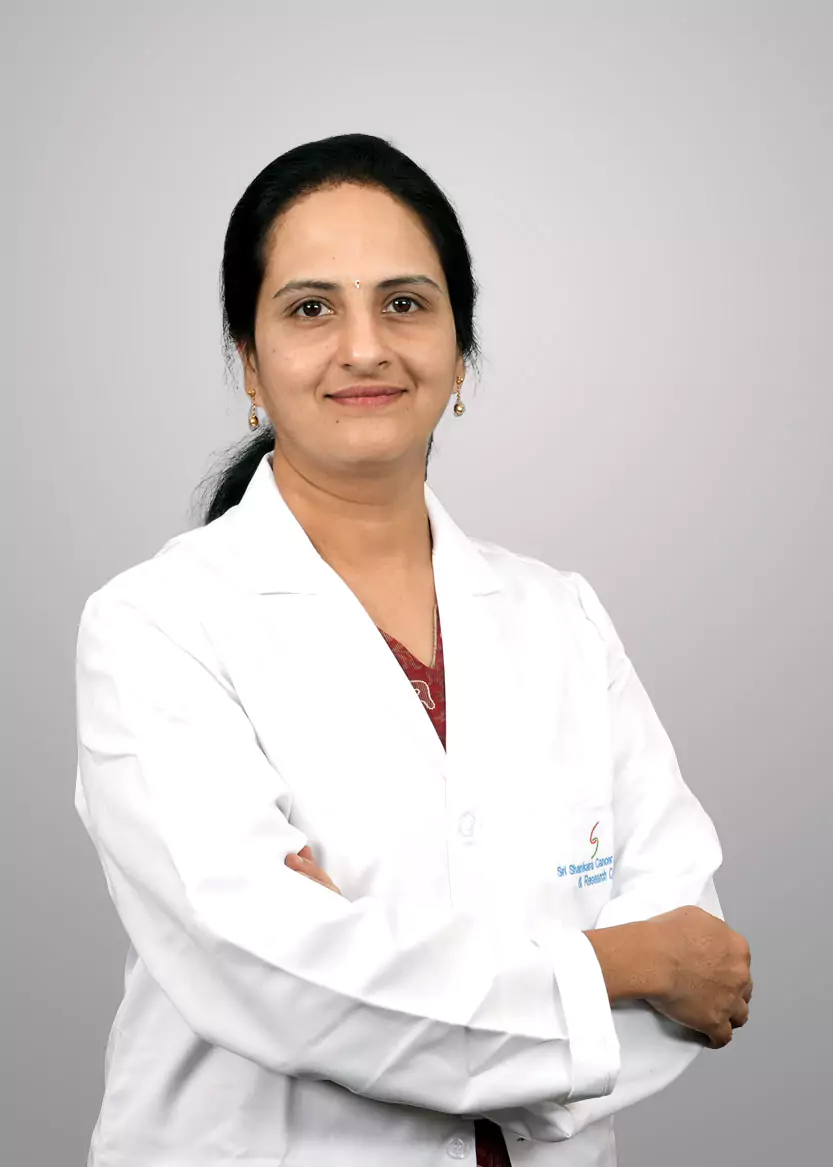
MBBS, MD - Pathology (2013), PDF (Oncopathology)
Senior Consultant & HODHistopathology

MBBS, MD - Pathology (June 2014)
Senior ConsultantHistocytopathology
MBBS, MD - Pathology (May 2010), PDF - Tumour Pathology (2021)
Senior ConsultantPathology