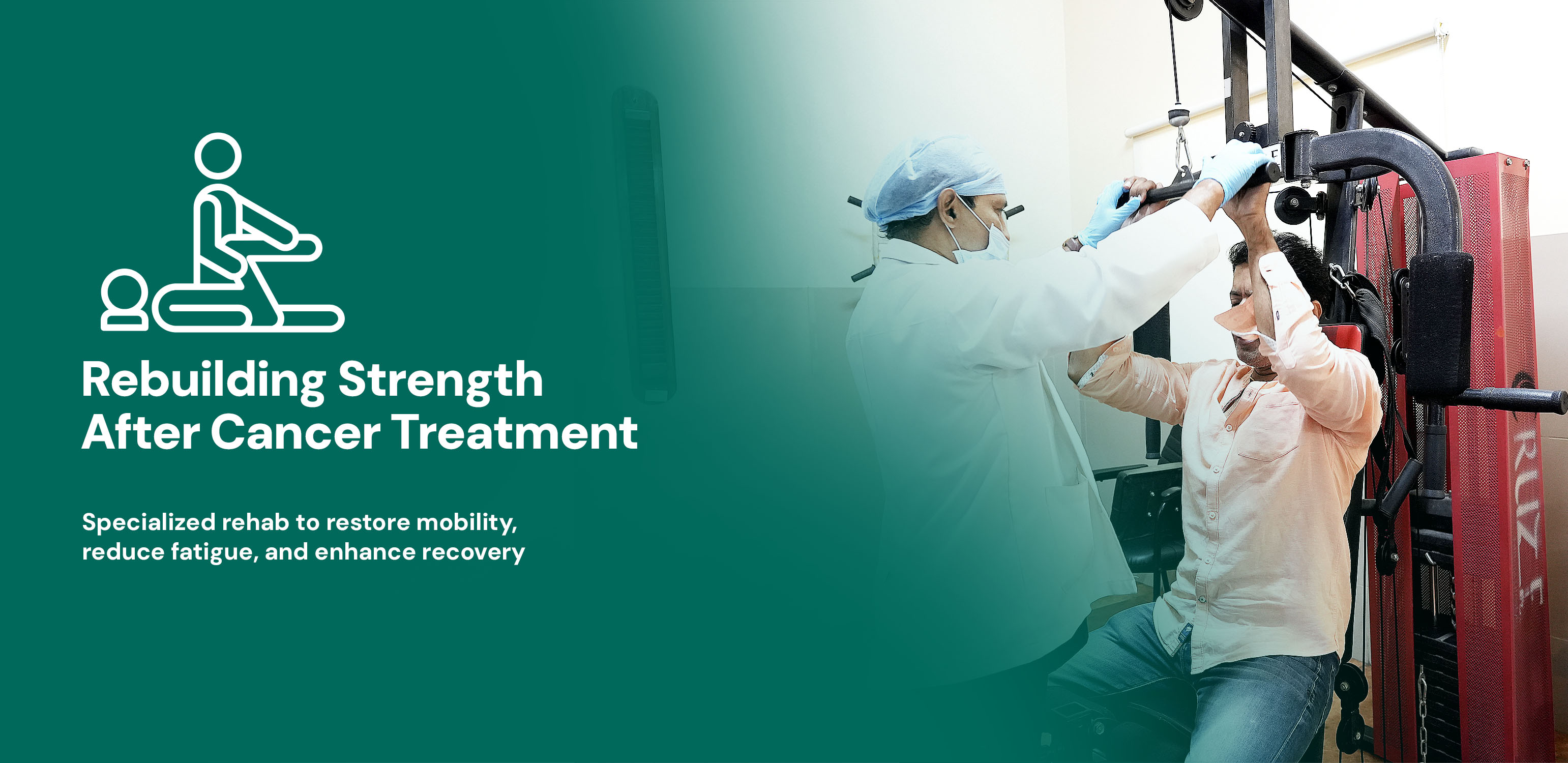
The Physiotherapy and Oncology Rehabilitation Department specializes in restoring physical function and maximizing the quality of life for individuals throughout and after cancer treatment. Our services are based on the latest evidence supporting Cancer Rehabilitation, which aims to mitigate treatment side effects, such as Cancer-Related Fatigue (CRF) and pain. Our expert physical therapists and rehabilitation specialists offer personalized programs, including Lymphedema Management, Prehabilitation (Prehab), and therapeutic exercise, ensuring patients regain the strength and independence needed for a full recovery.
Cancer rehabilitation is a crucial, often overlooked, aspect of comprehensive oncology care. It is a specialized area of medicine focused on preventing and treating the functional deficits that arise from the cancer itself, or from intensive treatments like surgery, chemotherapy, and radiation.
Our department is dedicated to restoring physical function, maximizing quality of life, and minimizing long-term disability through evidence-based rehabilitation programs tailored to each patient's unique needs.
Our goal is to assess and treat impairments related to strength, endurance, mobility, and pain. We focus on restoring patients' ability to perform daily activities, improving physical fitness, and minimizing long-term disability.
We actively address common, debilitating side effects like Cancer-Related Fatigue (CRF), which affects quality of life, and Chemotherapy-Induced Peripheral Neuropathy (CIPN), which impairs balance and sensation.
Rehabilitation begins early, often before treatment starts (Prehabilitation), and continues through survivorship, working seamlessly with surgical, medical, and radiation oncologists.
Our program utilizes a multidisciplinary team to provide individualized therapeutic interventions tailored to the patient's diagnosis and treatment phase.
An evidence-based strategy involving targeted physical training, nutritional optimization, and psychological support delivered before surgery or chemotherapy begins. Prehab is proven to improve physiological reserve, making patients fitter and stronger to withstand the stress of treatment and accelerate post-operative recovery.
Getting Fit for Treatment: We start a personalized exercise program before your surgery or chemo begins. Getting fitter beforehand strengthens your body, allowing you to better tolerate treatment and helping you bounce back much faster afterward.
A specialized service addressing chronic swelling (lymphedema) that often occurs when lymph nodes are removed or damaged by radiation (e.g., following breast, head & neck, or gynecologic surgery). Techniques include Manual Lymphatic Drainage (MLD), compression bandaging/garments, and therapeutic exercise.
Managing Swelling: This involves specialized massage techniques, Triple layer compression bandage with magnesium sulphate and custom garments to manage persistent swelling, often in the arms or legs. This treatment is essential for reducing discomfort, controlling swelling, and maintaining mobility.
Targeted, individualized exercise prescription (cardiovascular and resistance training) specifically designed to combat Cancer-Related Fatigue (CRF). Evidence shows that supervised exercise is the most effective intervention for CRF.
Fighting Fatigue with Fitness: While it seems counterintuitive, supervised, light-to-moderate exercise is the best medicine for the severe tiredness that comes with cancer. We create a plan to help you safely regain your energy and stamina.
Focuses on improving range of motion (ROM), joint mobility, stability, and muscle strength impaired by surgery, scarring, or radiation-induced fibrosis. Includes pain management via modalities (e.g., TENS) and exercises to improve gait, balance, and fine motor skills.
Regaining Daily Life: We use targeted exercises and physical therapy to address stiffness and pain, helping you improve your balance, walk safely, and regain the strength needed to perform everyday tasks like lifting or reaching.
Our therapists possess specialized training in Oncology Rehabilitation, understanding the precise physiological effects of different chemotherapies (e.g., neurotoxicity) and radiation doses, ensuring treatment is tailored to the patient's medical safety profile.
We integrate established protocols like Prehabilitation and Early Post-Operative Mobilization, which are scientifically proven to reduce surgical complications, shorten hospital stays, and enhance long-term functional recovery.
We specialize in managing the unique and chronic late effects of treatment, including Chemotherapy-Induced Peripheral Neuropathy (CIPN), radiation fibrosis, and chronic musculoskeletal pain, restoring sensation and mobility where possible.
Our team works seamlessly with supportive care, providing not only physical exercise but also counseling and collaboration with Oncology Nutritionists to ensure rehabilitation success is supported by optimal metabolic health.
We provide care across the entire continuum—from inpatient therapy immediately following complex surgery to comprehensive outpatient rehabilitation and long-term survivorship programs—guaranteeing continuous support during the transition back to daily life.
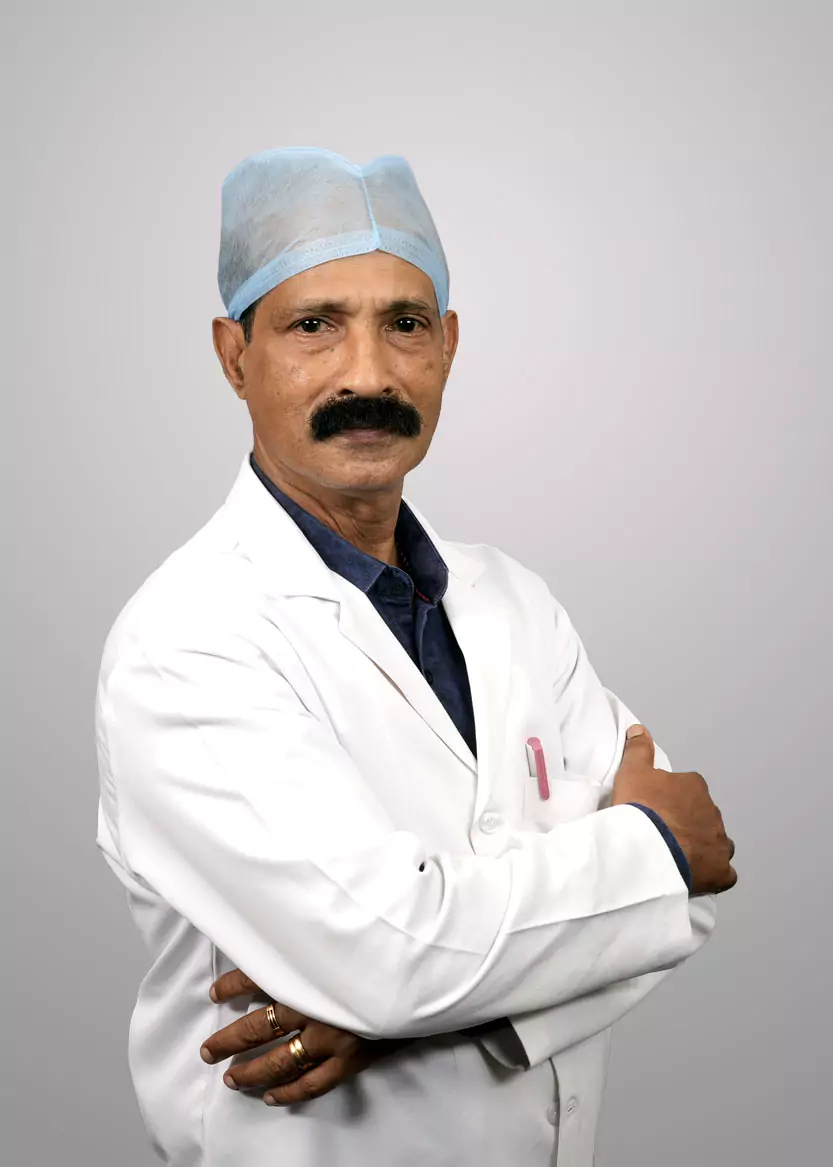
BPT (May 1997), MHA (Sep 2011)
Physiotherapist & HODPhysiotherapy
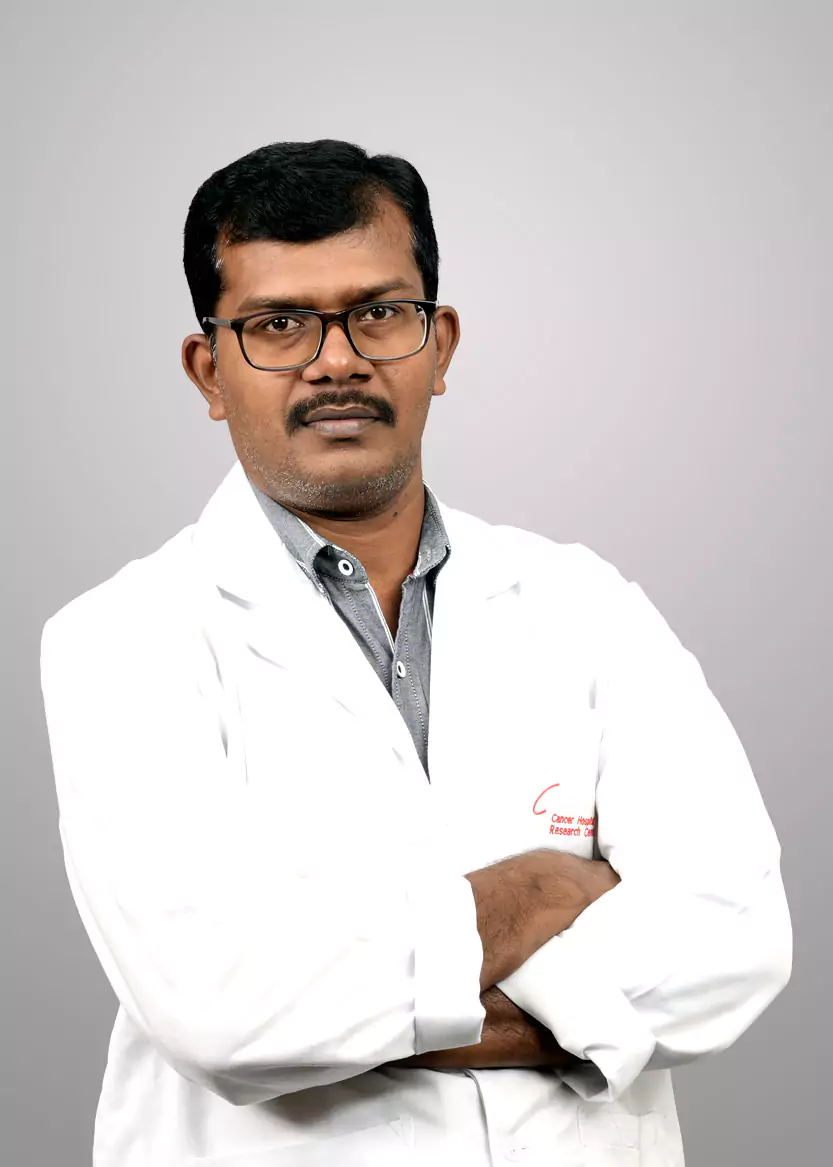
Bachelor of Physiotherapy (June 2004)
PhysiotherapistPhysiotherapy