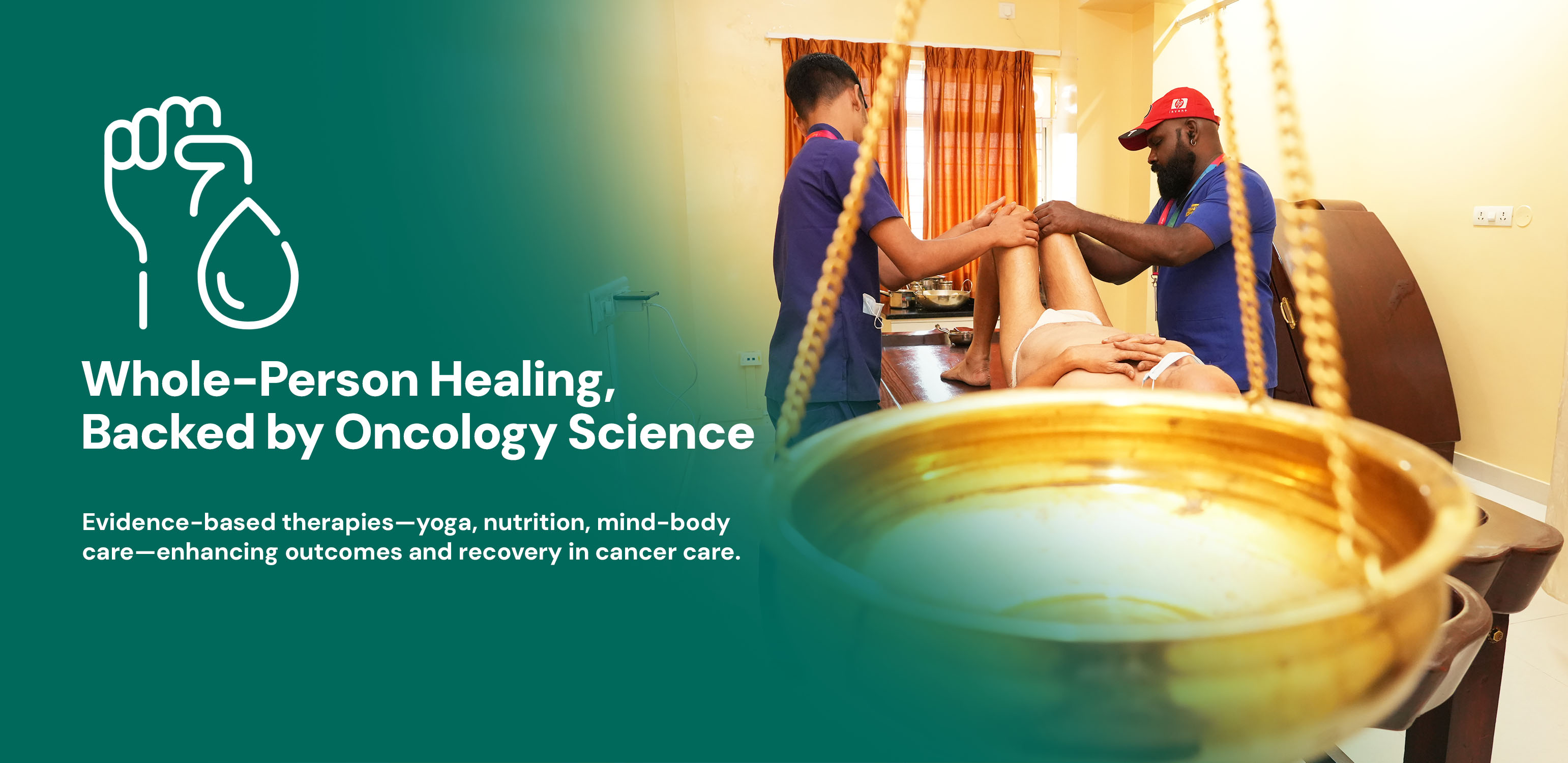
The Integrative Oncology Department is a patient-centered, evidence-informed approach that combines conventional cancer treatment with complementary therapies to manage side effects and optimize well-being. Our mission is to treat the whole person, utilizing practices like Acupuncture, Mind-Body Therapy, and Therapeutic Exercise. We work closely with your oncology team to ensure these supportive therapies are safe, effective, and align perfectly with your prescribed plan, helping to alleviate symptoms like fatigue, pain, nausea, and anxiety.
Integrative Oncology focuses on mitigating the therapeutic burden of cancer treatment, which often negatively impacts a patient's quality of life and adherence to vital protocols. We provide evidence-based methods to support your body's natural healing ability alongside the rigorous demands of chemotherapy, radiation, and surgery.
Our department is dedicated to providing evidence-informed complementary therapies that safely support conventional cancer treatment, managing side effects and optimizing well-being throughout the cancer journey.
Our primary goal is to address debilitating symptoms that conventional medicine alone may not satisfactorily relieve, including chronic pain, chemotherapy-induced nausea and vomiting (CINV), sleep problems, and psychological distress.
We critically evaluate the evidence supporting specific therapies and, crucially, review all supplements or practices a patient may be considering. This essential step prevents harmful drug-supplement interactions that could make cancer treatments less effective or toxic.
We engage patients and their families as active participants in designing their supportive care plan, teaching them lifestyle modifications and mind-body practices to improve health from prevention through survivorship.
We offer proven complementary therapies that are widely recommended by national cancer organizations for specific symptom relief.
A practice from Traditional Chinese Medicine involving the insertion of sterile, thin needles at specific points (acupoints). NCCN Guidelines recommend its use for managing pain, fatigue, nausea, vomiting (CINV), and hot flashes.
Needle-Guided Relief: Tiny needles are placed at specific points on the body to reduce symptoms. Research shows this is highly effective for alleviating nausea after chemo, chronic pain, and anxiety.
Techniques focused on reducing stress's effect on the body by focusing attention on calming the mind and relaxing muscles. Includes Meditation, Mindfulness-Based Stress Reduction (MBSR), breathing exercises, and Guided Imagery.
Stress Reduction: Practices like meditation help you observe thoughts and sensations with a calm focus. These techniques are proven to significantly reduce anxiety, depression, and stress.
Massage therapy (with adaptations for oncology patients) relieves muscle tension, reduces psychological distress, nausea, pain, and fatigue. Yoga and Exercise are crucial for combating cancer-related fatigue and improving physical health.
Physical Wellness: Specialized massage relieves tension and stress. Gentle movement (Yoga) and prescribed exercise are the best tools for fighting the severe fatigue that often accompanies cancer treatment.
Expert consultation provided by specialists to help patients understand the evidence and potential risks of using natural products, vitamins (e.g., Vitamin E, C), and herbs. This prevents dangerous interactions that could compromise treatment efficacy.
Supplement Safety Check: We review all your vitamins and herbs. Many supplements can interfere with how well chemo or radiation works. We ensure everything you take is safe and beneficial to your treatment plan.
We are strictly an integrative program; we do not use any practice in place of conventional cancer treatment. Our services are thoroughly researched to confirm they are safe and effective alongside chemotherapy and radiation.
The therapies we recommend (Acupuncture, Massage, Meditation, Yoga) are those supported by the National Comprehensive Cancer Network (NCCN) and the American Society of Clinical Oncology (ASCO) guidelines for supportive care.
We specialize in addressing multiple, co-occurring symptoms common in cancer patients (poly-symptomatic distress). Our approach offers non-pharmacologic options for pain, anxiety, and sleep problems, reducing reliance on medications.
Integrative practices are available across the entire cancer continuum, including long-term support to manage late and chronic side effects, such as pain, fatigue, and cognitive impairment, helping survivors maintain vitality.

Homoeopathic Practitioner (Jan 1998)
ConsultantIntegrative Oncology